Leading 10 Sprinkler Repair Service Tips Every House Owner Need To Know
A great watering system discolors right into the background when it is doing its task. The turf stays even, beds more than happy, and you do not have to babysit a tube after job. When it goes sideways, it goes quick. A damaged head can discard numerous gallons in a weekend break, a stuck shutoff can sink a zone, and a misadjusted nozzle can toss a sheet of water on your driveway while your roses wilt. I have actually walked right into greater than one lawn where a fifty dollar component would have conserved a thousand dollar water bill.
These tips originate from years of lawn sprinkler fixing, sprinkler maintenance, and countless troubleshooting calls. Whether you mounted your system or inherited it, the exact same rules apply. Maintain it leak-proof, also, and straightforward. The majority of fixings are accessible of a useful home owner with a tranquil approach and a few functional habits.
Start with stress and protection, not parts
Many people start by swapping heads or replacing shutoffs, after that wonder why the system still underperforms. Prior to you touch a shovel, obtain a feeling of stress, circulation, and protection. Your goal is to relocate water equally, at a price the dirt can soak up, to every square foot in the zone.
If you have a stress gauge, string it onto a tube bib closest to the point of connection for the lawn sprinkler installment and check out static stress. Eighty psi at the faucet will shred nozzles and haze water into the wind. Thirty psi at the area could be fine for sprays, but blades will struggle. For the majority of household systems, a wonderful spot is 40 to 55 psi ahead for rotors, 25 to 35 for repaired sprays. If your static stress is high, a stress controling shutoff at the primary, or stress controlled heads and bodies, deserve their price. If it is low, stay clear of high circulation nozzles, run less heads per zone, and look for partially closed valves or a clogged up heartburn preventer.
Coverage is the second column. Sprinkler design relies on head to head protection. That means the toss from one head needs to get to the next. When I see dry crescents at the sides, it is generally a spacing or nozzle inequality, not a dead head. Stroll the zone while it runs. Seek slim fans, fogging, or geysers. You can solve a lot by tuning nozzles and arc patterns before replacing anything.
Get knowledgeable about your controller, then simplify
I have actually shed count of the systems that ran wrong simply due to the fact that the controller was established like a spacecraf. Every add, every sensor, and three overlapping programs from previous owners. Begin by classifying zones in human terms, not just numbers. Front lawn left, vegetable beds, slope near driveway. Run each area manually and list run times, nozzle kinds, and head counts.
Then simplify. Put lawn on its own routine and beds on theirs. Clay soil likes less, much longer cycles with a saturate period. Sandy dirt may require shorter, much more constant cycles. Seasonal change is your friend. If your controller has a portion readjust, establish your springtime baseline, after that push 10 to 20 percent up or down monthly as opposed to rewording every program. When you make a repair service, run the zone and save a note in your phone. In six months, you will certainly not keep in mind which nozzle you swapped.
Smart controllers can assist, however they still require a correct base. I have seen "wise" boxes water through a rainstorm since the rainfall sensor was bypassed throughout a previous repair. Make certain any kind of sensing units installed are wired appropriately, the settings match your climate, and the controller has your nozzle kinds and rainfall rates set accurately.
Fix the evident leakages first, then chase after pressure drops
A small lateral leakage can cost you stress and create weak zones that appear like nozzle problems. Do a quick meter check. Transform all water off in your house and backyard, then enjoy the water meter. If the leak indicator spins, you have a pressurized leakage someplace. With lawn sprinklers off, that normally points to mainline or a valve body. With a zone running, walk the area, search for soggy spots or gurgling. I often make use of a long screwdriver as a soil probe. Soft areas three to six inches down often indicate a tiny split in poly pipe.
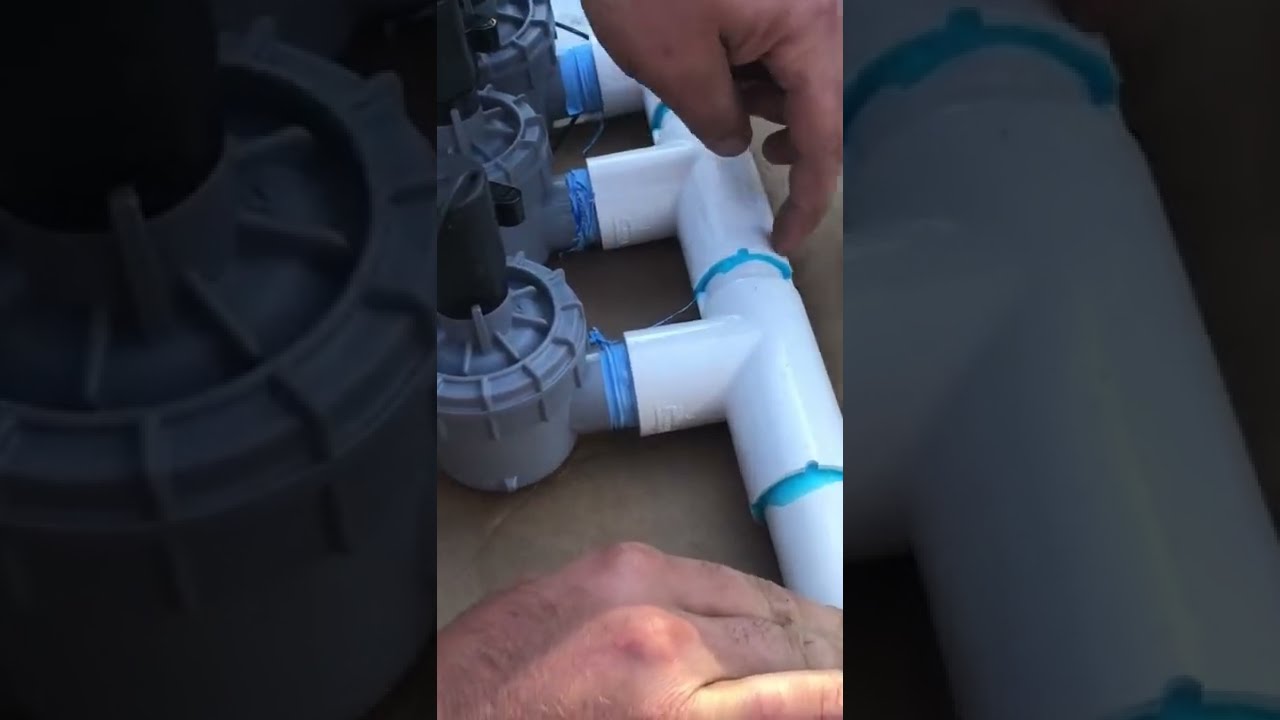
Repairs are simple if you keep a few practices. Cut pipe clean, not at an angle. Deburr PVC, glue appropriately, and offer it a minute to establish. With poly, use insert fittings with stainless clamps, not worm secures that corrosion. For threaded connections, wrap three to four turns of PTFE tape clockwise on male threads. Do not overdo paste on watering threads, especially on plastic heads. Hand tight plus a quarter turn is much safer than splitting a fitting.
When you are done, flush and examination. Dirt inside lines will certainly head directly for your nozzles and valves. Pop the nozzle off one head at the end of the line, run the area momentarily, then reinstall.
Track down invisible blockages with a simple flush routine
Most "dead heads" are not dead. They are blocked. Tough water, fine silt, and tiny plastic shavings from negative cuts all relocate into nozzles and filters. If a head appears yet hardly throws, unscrew the nozzle and draw the little filter under it. Wash and re-install. On blades, remove the nozzle set screw, draw the nozzle, after that carefully open the inner screen. If it is rust colored, think about a filter at the factor of link, or a Y strainer upstream of the manifold if particles is chronic.
I keep a committed container for flushing. When I fix a zone, I draw the last head, string in a riser stub without any nozzle, and allow the line purge up until it runs clean. It adds ten mins and eliminates most return visits.
Replace busted heads with the right body, not the most beautiful cap
A split head that never seats, a leaning riser, or a sheared off stem wastes water each time the zone runs. When you replace, match physique, elevation, and string. A 4 inch taken care of spray body does not replacement for a 6 inch pop up in tall fescue. If the base is sunken, elevate the head with a swing joint or a short area of amusing pipeline so it rests flush with grade. A head hidden reduced will certainly absorb dirt every cycle.
Also match the nozzle family. Blending brand names can alter rainfall prices even when arc and distance look comparable. If you are trying to remedy a completely dry wedge near a sidewalk, do not just crank up the arc and blow out the concrete. Think about an edge nozzle, or a short radius nozzle intended to keep head to head protection without waste.
Many property owners enjoy high performance rotating nozzles on sprays, and they can be superb when pressure is right. They throw a mild stream that withstands wind and applies water gradually. They also need greater pressure than standard sprays to function well. If your area works on the low side, swapping to rotating nozzles everywhere could make points even worse, not better.
Keep valve boxes dry and arranged, or pay for it later
Valves are the brain stem of the system. When solenoids sit under water, cords corrode, and sand slips into diaphragms, you get stuck zones, ghost watering, or shutoffs that will not open under reduced pressure.
Open each box, bond or pump out standing water, and elevate reduced boxes to quality with a brand-new box or extension if required. I such as to bed valves in several inches of tidy gravel for water drainage. If your soil is clay, it might seem like a shed reason, yet gravel still acquires you time after heavy rain. Look for union fittings to make future service easier.
Inside package, give yourself clarity. Label cables with water resistant tags or colored heat shrink. Note the area number and location served. Yank delicately on each wire nut. If they break down, replace with waterproof ports designed for direct funeral. A typical family spin cap wrapped in tape will not last a season in damp soil.
When a shutoff will certainly not shut, particles in the diaphragm or a harmed diaphragm is typically the cause, not a negative solenoid. Eliminate power, dismantle the top, rinse each flow, and inspect the little hemorrhage port. If the diaphragm is tight or torn, rebuild kits are low-cost and deal with most issues.
Watch the wind, soil, and incline before you add run time
Brown spots do not always indicate inadequate water. On a south dealing with incline in July, you can run two times as lengthy and still enjoy water sheet into the street. Dirt consumption rate issues. Clay could take 0.25 inches per hour. Some sprays deliver over an inch per hour. If ponding begins after 10 mins, divided the run into 2 7 min cycles with a 20 min take in between. Numerous controllers have a cycle and saturate feature that manages this logic for you.
If the wind frequently pushes spray off training course in the mid-day, routine lawn in the morning and beds in late night when air is calmer. Bear in mind neighborhood watering policies. In frost susceptible locations, early morning irrigation is safer for turf condition than evening watering.
A little mathematics helps. If your nozzle set applies 0.5 inches per hour and your lawn requires regarding 1 inch weekly in summer season, an overall of two hours per week on that particular area will do. Readjust for warmth and color. In my area, shaded grass needs 30 to 40 percent less water than complete sun. Once you see those numbers, you stop presuming with the dial.
Do a spring walk, not a springtime panic
The initially cozy weekend often becomes agitated phone calls. Heads stuck, water almost everywhere, alarm systems on backflow devices. The majority of problems are easy to prevent https://finnfvmw548.publishlane.com/posts/winterizing-your-system-essential-lawn-sprinkler-maintenance-tips with a tranquil reactivate after winter months or a long inactive period. This is the one place a brief checklist beats prose.
- Open the main water valve gradually, a quarter transform at once, stopping briefly to allow pipelines load and remove trapped air.
- Inspect the backflow preventer for fractures and drips, tighten test cocks delicately, and validate manages are parallel to flow.
- Power up the controller, replace batteries if it has them, and verify date, time, and seasonal adjust.
- Run each zone by hand, see every head prolong and withdraw, and clean or replace stopped up nozzle filters.
- Set mowing height and readjust head elevations so caps sit level with the soil, not buried or holding up like stakes.
If the backflow spits or babbles when you load, air is moving through. Reducing the fill normally quiets it. If it leaks at the joint, the body might have divided from a cold wave, which is not repairable. On double check settings up, try to find water in the vault. A flow might imply a fouled check. Lots of communities need a certified tester for fixings, so recognize your regional code before you wrench on backflow devices.
Diagnose electrical concerns with a five minute test before you dig
When an area declines to start, it is appealing to think a negative shutoff and begin cutting. Invest five mins with a multimeter first. At the controller, activate the zone and look for 24 to 28 volts a/c between the typical and the area terminal. If you have voltage, head to the shutoff box and examination across the solenoid leads. Voltage present but no audio or motion typically points to a stopped working solenoid. No voltage at the shutoff however proficient at the controller means a broken cord or a stopped working splice.
You can likewise utilize a straightforward battery pack to examine a shutoff. Attach the two leads to a 9 volt battery briefly. A healthy solenoid will certainly click. Do not leave it linked, you can burn it out. If the solenoid clicks yet the valve will certainly closed when regulated, restore the diaphragm and clean the flows before replacing the whole shutoff. 9 breaks of 10, this saves the day.
If cables are a mess, prevent the lure to twist brand-new ones right into the old bundle without a strategy. New direct burial cord and correct waterproof connectors take time currently and spare you hours later. Where cords cross origins or rocks, lay them in sand for a little cushion.
Match components to water high quality and climate
Not all lawns are equivalent. Tough water builds range inside nozzles and sticks pop ups in the up setting. Salty coastal air corrodes steel screws on rotor nozzles much faster than inland climates. If you fight scale, consider nozzles and heads with larger displays and easy access for cleansing. A straightforward vinegar soak can get rid of mineral accumulation on removable filters. If safe and clean water is scarce and you utilize a well or reclaimed water, plan for larger debris and more regular filter checks. Some reclaimed systems discolor concrete. Guard pathways by tightening up arcs and selecting nozzles with much better edge control.
Cold environments require added treatment around heartburn preventers and exposed risers. Protect and, if code allows, wrap heartburns with warm tape. In position where winterization is mandatory, fast couplers and drainpipe shutoffs accelerate the process. In warm however windy areas, taller turn up on sprays can throw through taller yard and recuperate some protection lost to wind, but only if stress remains in range.
Build repair work like a future you will appreciate
Every time you open up the ground, think about the following repair. Swing joints with flexible amusing pipe provide you room to adjust head elevation and orientation without breaking the side line. Valves with unions let you rebuild without cutting. A shutoff box with a couple of extra inches of slack in the wire package makes a solenoid swap take minutes, not an hour of cursing.
Keep spare components that match your system. One package of blades nozzles, a handful of spray nozzles in common radii, a few 4 and 6 inch spray bodies, one spare rotor or two, PTFE tape, a quart of guide and concrete, a roll of straight funeral water-proof connectors, clamps for poly, and a couple of compression couplings sized to your lateral pipe. Label the bin. When a head obtains run over on a holiday weekend, you will not be racing the store's closing time.
A word on when to revamp as opposed to repair
Some systems fight you because they were never best to begin with. If a zone tries to water front grass and back bushes together, you will certainly always overwater one or undersea the various other. If directly a zone mix rotors and fixed sprays, rainfall never equilibriums. If your static stress at the primary is 90 psi and nobody mounted a regulator, you are changing heads due to the fact that the system is chewing them up. Sprinkler repair service can just do so much when the bones are wrong.
It is worth drawing your system theoretically. Map out areas, head kinds, nozzle dimensions, pipeline dimensions, and the controller programs. If you see obviously combined applications, take into consideration a little rework. Split that zone so beds are different from grass. Include a stress regulator to the main or to each shutoff manifold. Switch over a mismatched collection of nozzles so every directly an area throws the exact same precipitation rate.
For brand-new lawn sprinkler installment or significant overhauls, the very same guidelines guarantee also sprinkling. Head to head spacing, matched precipitation, pressure in variety, and tidy, accessible valves. That foundation makes every later fixing cheaper and easier.
Winterization without drama
Where the ground ices up, water in the lines will certainly find a way to fracture something expensive. You can pay a pro with a huge compressor, or do it carefully yourself if you have the best tools. The purpose is to move air with each area gently, not blast fittings apart.
- Shut off the watering major and open the drainpipe at the most affordable factor if one exists, after that open a test penis on the backflow to soothe pressure.
- Connect an air compressor to the blowout port with a proper adapter, maintain pressure at 40 to 60 psi for sprays, 50 to 70 for rotors, and never ever surpass the system's rating.
- Run each zone with air till mist comes to be a fine spray and then just air, biking two or 3 times rather than one lengthy blast.
- Leave round shutoffs on the backflow at a 45 degree angle and examination dicks split open to avoid trapped water.
- Note any type of heads that did not stand out with air, note them for a springtime check. Those commonly conceal sand or a split body.
The trick is perseverance. Brief cycles clear water without generating destructive warmth from air friction. If your compressor struggles to keep up, do not run two areas simultaneously. Offer it time to charge and do it right.
Small modifications that spend for themselves
Several inexpensive modifies reduce water use and boost efficiency. Stress regulated spray bodies are my favored upgrade in windy or high stress communities. They keep constant outcome from head to head and reduce fogging. Inspect shutoffs built into heads maintain reduced spots from draining after each cycle, which protects against pools and mud. Circulation control on valves allows you dial back an area that is just a touch also hostile without changing nozzles.
A cost-effective rain or soil moisture sensing unit stops cycles when nature has actually already gotten the job done. Just wire and configure them appropriately. I have actually seen sensors "mounted" yet left zip tied in the valve box, which not does anything. Mount rain sensors where they see the sky, not under an eave. Calibrate soil sensing units to the plant, not a common default.
Finally, edge your turf line and keep heads upright. A leaning head tosses a crescent shaped pattern that no amount of added run time will certainly repair. Once a month throughout the growing period, walk the home while a zone runs. You will certainly spot a slanted riser, a clogged up filter, and a dripping cap long before you see a brown patch.
When to call a pro, and exactly how to make that phone call count
There is no embarassment in phoning for assistance. A fell down side under a mature maple origin ball or a failing heartburn look at a regulated line can consume a weekend break and still leave you thinking. When you do call, be ready with specifics. The controller make and design, valve box locations, any mistake codes, and what you have actually already attempted. Images help. A great specialist values a property owner that has actually done standard lawn sprinkler maintenance and maintained records.
Ask for parts by brand name if your system is primarily one manufacturer. Uniformity makes future solution cleaner. If the pro suggests broad modifications, ask for a brief reasoning. A 5 min conversation about stress monitoring or matched precipitation can conserve you repeat visits.

Bringing it all together
A sprinkler system is a set of easy machines held together by water, electrical power, and dirt. The even more you streamline and systematize, the easier each repair service comes to be. Begin with stress and protection, keep shutoffs dry and identified, flush lines after any kind of cut, and usage components that match the zone's requirements. Change for soil, wind, and incline before you toss much more mins at a problem. Be mild with winterization, and do one calm springtime walk before the season.
I have actually seen yards recuperate from a summer season of patchwork with nothing more unique than proper nozzles, a pressure regulator, and a controller readied to cycle and soak. I have additionally seen all new systems limp along since nobody matched rainfall or split beds from turf. If you bring one concept from this checklist, let it be this. Put the appropriate water in the ideal place at the ideal price. Do that, and every sprinkler repair work you make will certainly last, every round of sprinkler maintenance will be much shorter, and every buck you invest will certainly show up in a much healthier landscape instead of on your water bill.