Preventative Lawn Sprinkler Upkeep That Saves Water and Cash
Good irrigation feels unseen. Turf stays even, plant beds grow, and the water bill sits where it should. When a system slips out of song, the indicators are easy to miss out on in the beginning: a spot of yellow near the driveway, a soggy edge by the fencing, a faint hiss at a head that used to be peaceful. By the time the grass begins saying back, lost water and lost money have been dripping away for weeks. Preventative sprinkler upkeep is how you damage that cycle. It is less regarding fixing what is broken and a lot more about maintaining a working system aligned with the site, the period, and how plants in fact utilize water.
I have actually strolled thousands of residential or commercial properties after sunup with a flashlight and a notepad. The pattern repeats. Most homeowners and building managers do not need a new system. They require an experienced audit, a couple of targeted components, and a timetable that reflects fact as opposed to the default program left by the installer years back. The return on those little initiatives is instant. Water usage drops, completely dry spots even out, shocks disappear from the energy expense, and the system expands quieter because it is no longer dealing with itself.
Why tiny issues cost big money
Irrigation wastes cash in 3 typical methods: undetected leaks, inadequate distribution, and negative timing. Leakages hide in shutoff boxes, at threaded fittings, or in side lines chewed by origins. They do not always make a puddle. A fifty percent gallon per minute seep that runs three times a week for 15 minutes adds up to about 90 gallons a week, or more than 4,500 gallons a year per leak. Multiply that by a few areas and a lengthy period and it matters.
Poor distribution is trickier. If an area waters unevenly, individuals crank up mins to please the driest spot. The remainder of the zone gets sunk. The fast solution covers up the reason and doubles the expense. Sprays that do not match precipitation prices, heads set as well reduced, or dissimilar arcs all chip away at circulation uniformity. I have seen two identical zones where one made use of 30 percent a lot more water to accomplish the same turf shade just due to mismatched nozzles and a 10 psi difference at the head.
Timing is the silent burglar. Programs established for July run in April. Schedules disregard color under a growing oak. Run days ride with a rainy week because the controller can not see the climate. Watering the correct amount at the incorrect time is still waste.
Start with stress, not the controller
People love to jump into the controller and tweak runtimes. That is like adding air to your tires while you have a nail in the tread. System pressure establishes the phase for every little thing else. Too expensive, and sprays atomize into haze that drops off in the slightest wind. Too reduced, and heads toss short with ragged patterns.
A fast field check beats a hunch. A pressure scale on a hose pipe bib serves, yet it only shows fixed stress. What you respect is dynamic pressure ahead while the area is running. Thread a gauge onto a riser, run the area, and read it. For normal dealt with sprays, go for 30 psi at the head. For rotors, 45 psi is a great target. Several spray bodies currently include integrated pressure policy. If you see misting or hear a hiss, you possibly have too much pressure at the nozzle. In those cases, exchanging to pressure controling spray bodies typically spends for itself in a single season.
On a tiny business website last summertime, we changed 38 conventional spray bodies with controlled variations and included a 40 psi regulatory authority after the heartburn. We did not alter the routine. Water usage dropped 18 percent over the following three payment cycles. Dry spots vanished since toss ranges went back to spec. It cost less than a mid-range smart controller.
The peaceful fixes that relocate the needle
Some of the best financial savings originate from small, monotonous tasks. Raising hidden heads saves water due to the fact that the pattern removes grass and hardscape, getting rid of low arcs that under-throw. Taking care of a tilted head stops overspray right into the sidewalk. Changing a clogged nozzle restores matched precipitation across an area. Genuine lawn sprinkler repair work is not glamorous. It is systematic, and it works.
Threaded links deserve unique interest. Wrap tape easily, tighten up with restraint, and use string sealant where vibration can loosen up installations. I have opened up shutoff boxes where a 3 dollar coupling hemorrhaged extra water than a lengthy side leak. It had been doing it for years.
Missing check shutoffs inside heads are another silent leak. Without a check valve, low points in the area drain in between runs. That is water you already paid to pressurize, currently dripping under the sidewalk. Heads with integral check valves quit that drainpipe down and cut the post-run pools that bring in mosquitoes and discolor concrete.
Calibrate runtime to precipitation, not habit
Most schedules are constructed from practice. Ten minutes on sprays, thirty on rotors. The right way is to match runtime to rainfall rate and plant water demand. If your nozzle takes down 1.5 inches per hour and your turf needs 1 inch each week in peak summertime, after that the math says concerning 40 mins a week for that zone, gotten into several cycles if drainage endangers. In spring, that may drop by half, and in autumn by more.
Matched rainfall issues. Combined nozzles in an area do not use water equally. A spray head fitted with a high performance rotating nozzle will generally use much less water per min than a standard fixed spray. If you blend them on one valve, runtime that pleases the slow-moving nozzle floods the quick one. Maintain nozzle family members constant within a zone, and just mix when you have no choice, after that represent it with tailored runtimes or split that area into its own valve during future sprinkler installment upgrades.
Smart controllers aid, however they still require honest inputs. Program nozzle type, origin depth, incline, sun direct exposure, and dirt kind. Then verify the result on the yard. If a controller determines that shaded fescue on clay should obtain 14 minutes twice a week yet the turf starts to tension by day 3, readjust the frequency. Smart does not mean hands off. It implies the controller ends up being a rapid partner https://brooksaaeq987.lowescouponn.com/emergency-lawn-sprinkler-repair-quick-fixes-to-quit-leaks in your field tests.
A seasonal rhythm that protects against surprises
Irrigation is seasonal by nature, even in areas with light wintertimes. Spring start-up is more than turning water on. It is your possibility to reset after the off period, catch winter season damage, and rebuild a schedule around existing plant demands. Midseason checks deal with drift as days warmth, controller batteries fail, and mower blades bump risers. Fall shutdown, even without a complete winterization, lowers breaks throughout freeze events and cuts off waste when evapotranspiration drops.
Here is a short seasonal rhythm that maintains most systems fit without turning upkeep into a 2nd job.
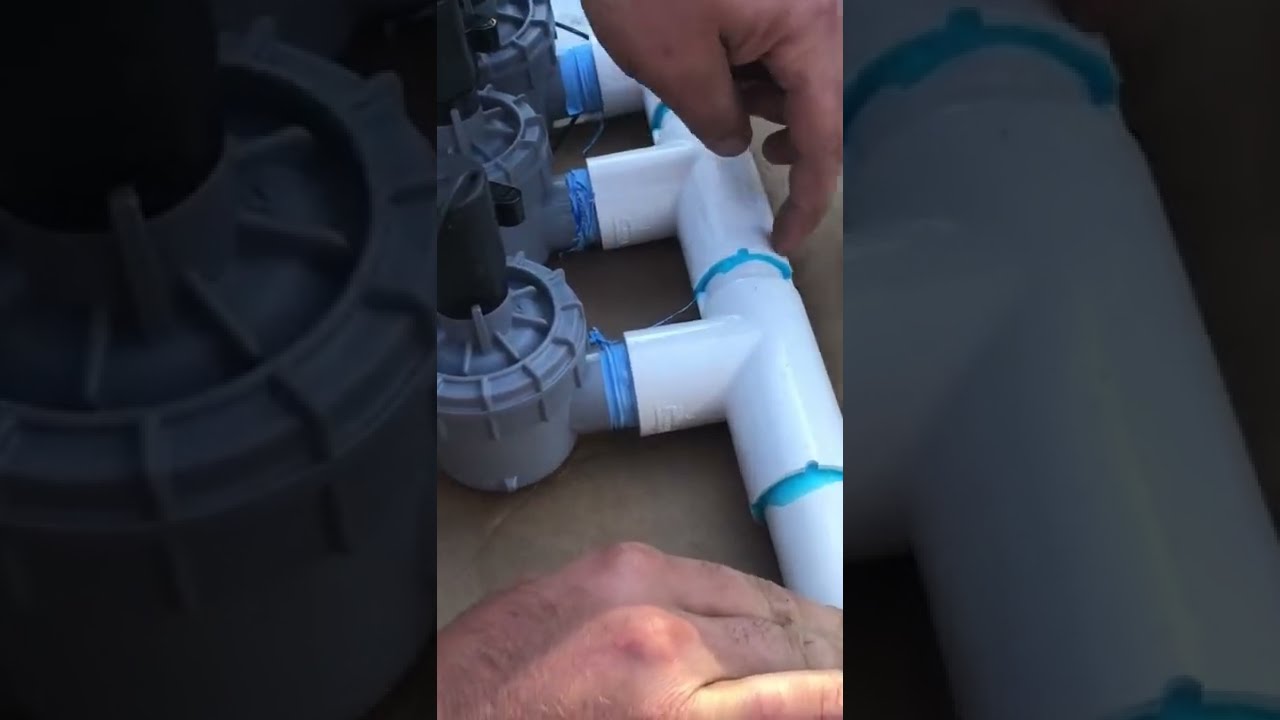
- Spring startup essentials: open up the main valve slowly to stay clear of water hammer, examination each zone, raise or straighten heads, change blocked or mismatched nozzles, rebuild leaking shutoffs, verify heartburn operation.
- Early summertime song: step stress at representative heads, proper misting with controlled bodies, rectify runtimes by area based upon plant response, validate rainfall sensing unit or weather condition combination works.
- Midseason audit: see each zone from beginning to end, mark reduced protection with flags, solution overspray onto hardscape, look for damp valve boxes that indicate tiny leakages, flush drip filters.
- Late summer changes: boost cycle and soak for slopes and clay, reduce individual cycles to reduce runoff, validate heads ride above peak turf elevation after summer growth.
- Fall and pre-freeze: tip down runtimes as temperatures decrease, close seclusion shutoffs if frost is anticipated, drain heartburn where essential, timetable full winterization for difficult freezes.
Each of those bullets points to simple area work. Doing them prior to the system whines is why preventative lawn sprinkler maintenance saves both water and the Saturday afternoons you would rather invest far from muddy valve boxes.

The ideal means to audit a zone
Watching a zone with intent is different from eying a green grass. Bring flags, a screwdriver, an extra nozzle collection, and a stress scale. Relocate a loop. Focus on one failing setting at a time so you do not miss details. The goal is to leave the area with also insurance coverage at the most affordable pressure that still fulfills head specifications, with no noticeable leaks and a timetable that fits the plants.
- Confirm head spacing and arc: heads ought to toss to the next head, not almost to it. Change arcs to stay clear of wall surfaces and sidewalks while still meeting head to head coverage.
- Set height and plumb: raise hidden or low heads until the leading rests simply above the grass. Correct tilted risers so patterns are symmetrical.
- Match nozzles: standardize nozzle families within the zone, change obstructed or used inserts, and verify matched rainfall across various arcs.
- Test pressure at the head: mount a scale briefly, run the zone, and record vibrant pressure. Add pressure controlled heads or an area regulatory authority if readings are high.
- Inspect for leakages: try to find gurgling around risers, damp shutoff boxes, and slow-moving drips at threaded joints. Repair prior to you leave the zone.
A disciplined loophole like that takes 10 to 20 minutes per zone when you have the rhythm. On sites where water rates are high, those minutes frequently pay for themselves within a month.
Drip where it makes good sense, and maintain it like you imply it
Drip irrigation reduces evaporative losses and targets water where roots actually live. It is not magic. Trickle demands filtering, stress decrease, and routine flushing. On retrofit work I see clogged emitters and algae ridden filters usually. The repair is easy. Set up an accessible, clear-bodied filter on every drip valve. Set up a regular monthly flush throughout top period. Maintain stress between 20 and 30 psi at the emitter line. If a bed shares a shutoff with sprays, different it at the next opportunity. Different application rates and run times make complex everything.
In a courtyard with blended roses and perennials, we converted two spray areas to drip with 0.9 gallon per hour emitters on 18 inch spacing, added a 25 psi regulatory authority and a Y filter, and reduced yearly water make use of because area by about 35 percent. Plant wellness enhanced due to the fact that vegetation stayed completely dry and dirt stayed uniformly wet. The secret was upkeep. We purged lines at the start of each month and changed filters twice a season. Disregard either step, and drip transforms brittle and cranky.
Backflow, valves, and the components that determine your weekend
A neglected heartburn assembly welcomes both contamination and freeze damage. Examination or a minimum of exercise it annually. If you remain in a freeze prone area, protect and drain it when temperature levels dip. I have actually repaired a lot of split bodies in March that fell short since water remained in low spots after a warm spell teased systems back on.
Valves fail in tiny methods initially. Diaphragms weep. Solenoids buzz or stick. Slow closing creates water hammer that worries installations throughout the system. When you open up a shutoff box and locate an ant nest, do a full reconstruct with a service set as opposed to covering signs and symptoms. Parts cost less than the phone calls you will certainly receive from occupants or the weekends you will certainly invest going after phantom leaks.

While you remain in package, tag wires and picture the design. Future you will thanks. Tidy up splices. Usage waterproof adapters, not tape. That added 5 mins ends a shocking variety of intermittent issues that appear like hydraulic problems but come from voltage decreases and corrosion.
Hardscape edges and wind, both peaceful thieves
Edges and wind form many of the waste patterns I see. Along driveways and pathways, change arcs so water stays on target. If you should sprinkle near a sidewalk, consider a strip nozzle with a tight pattern or a narrow-throw rotary nozzle. Do not trust fencings or hedges to block drift. In coastal or gusty passages, program for morning starts when wind speeds are cheapest. At 10 miles per hour, great spray drifts feet off training course. Blades and rotary nozzles endure wind far better than dealt with sprays at high pressure.
Slopes are their own problem. If water escapes prior to it soaks in, minimize cycle length and include saturate time. For instance, rather than one 12 minute cycle, attempt 3 4 minute cycles with 20 minutes in between them. Cycle and saturate capitalizes on soil consumption rates, especially on clay. Add check shutoffs at reduced heads to quit drain down in between cycles. Without them, the very first min of every run fills up the reduced pipelines rather than sprinkling the slope.
Soil, origins, and the myth of daily watering
Plants drink from the origin zone, not the surface area. Deeper, less constant watering develops resilient grass. On loam soil, a healthy and balanced grass root might use water 4 to 6 inches down. In summer, that could imply watering two or 3 times a week, not daily. Sand needs much more frequency, clay less. Shield needs much less, sunlight a lot more. Good lawn sprinkler maintenance takes a look at the plants and the soil account, then writes a timetable around that, not around the schedule page.
An affordable dirt probe tells you greater than a spreadsheet. Push it in after a zone runs. If you just really feel dampness in the top inch, runtime is too brief. If water squishes up, it is as well lengthy or the dirt is compacted. Core aeration in spring assists air and water reach roots, which consequently enables you to stretch the interval between waterings. Maintenance is not only mechanical. It is horticultural.
Smart controllers and when to trust weather data
Weather based controllers are better than they were a decade back. Numerous incorporate with neighborhood stations, compute evapotranspiration, and change timetables daily. They conserve water when you feed them exact website information and check their choices in the area. They do not absolve you of upkeep. If heads are reduced, pressure is incorrect, or a shutoff weeps, the smartest controller can not cover for that.
Use rainfall sensors or neighborhood data to enforce real time cutoffs. A system that misses a cycle after half an inch of rain does more for cost savings than a best nozzle swap that runs no matter what the skies does. In regions with microclimates, pick a climate station that matches your site conditions. A valley flooring and a west facing slope a mile apart can have different wind and evapotranspiration patterns. If you handle several properties, do not push a single timetable to all of them. Clone as a starting factor, then song locally.
When to replace, when to repair
The fork in between lawn sprinkler repair work and replacement relies on age, availability of components, and system format. If an area utilizes obsolete heads without any stress regulation and mismatched nozzles, upgrading the heads and nozzles typically beats chasing after little leaks for one more period. If lateral lines are brittle PVC from the early 90s with repeated breaks along an origin line, a partial re-pipe saves even more cash than wrapping each split. When controllers shed memory during every power spot, a contemporary unit with non-volatile storage space repays in fewer callbacks.
Sprinkler installment has actually also advanced. Today's equipment driven rotors sip water contrasted to the older influence heads and give far better matched precipitation. High effectiveness rotating nozzles let you extend runtime without overflow, specifically on slopes. Stress controlled bodies decrease misting even when mainline pressure varies. When you have multiple systemic shortcomings, going back to develop a little retrofit conserves greater than exchanging one part at a time.
Dollars, gallons, and what cost savings in fact look like
Savings vary by environment and water price, but specific patterns hold. A well performed audit and song on a normal suv residential property with six to 10 zones generally reduces water use by 10 to 25 percent without noticeable changes to the landscape. Website specifics drive the rest. Change standard sprays with high effectiveness rotary nozzles, and you frequently see one more 10 to 20 percent, extra on windy sites. Add a climate based controller with a working rainfall sensing unit, and you can cut an additional 5 to 15 percent, primarily by missing unnecessary days.
On a 10 zone system that makes use of 40,000 gallons in a peak summer month, a 20 percent reduction saves 8,000 gallons. At 0.01 to 0.02 bucks per gallon in lots of communities, that is 80 to 160 bucks a month in peak period. Over a six month irrigation period, the math justifies a specialist song and targeted upgrades. In regions with tiered rates, the financial savings can be bigger due to the fact that reduced use drops you right into a less costly bracket.
Training the people that reduced the grass
Many watering issues start on trimming day. Heads get knocked, risers get slanted, and valve boxes fill with clippings. A 5 min conversation with the crew pays dividends. Ask them to stop briefly watering throughout their see, to stay clear of driving lawn mowers over noticeable heads in soft dirt after rain, and to allow you recognize when they see a hot spring or a relentless pool. Leave a little flag package where they can order one. If they flag concerns as opposed to driving past them, you repair problems earlier and they spend much less time cleansing mud off equipment.
I keep a practice of texting a straightforward note on the first mower day of the month to a couple of staffs. Directly the west bed were reduced recently. Please watch for them today. Crews appreciate that level of respect, and the partnership decreases unintentional damage.
Edge cases worth preparing for
Reclaimed water supply tarnish concrete and can rust certain steels quicker. Seal connections meticulously, and select parts ranked for redeemed water. In desert climates, irrigation home windows may be restricted by ordinance. Schedule sprinkling within permitted hours and utilize cycle and saturate to work within short permitted home windows. On homes with wells or booster pumps, startle high draw areas so the pump does not brief cycle or get to cavitation. In frost pockets, low points can ice up while the remainder of the system stays secure, so isolate and drain those sections earlier.
If you manage athletic turf, you currently understand circulation and stress matter a lot more. A dry spot on a soccer goal mouth is not just a cosmetic issue. Difficult ground adjustments play and injury risk. In those areas, confirm distribution harmony with catch cups at least as soon as a period. That level of roughness seldom pays on a tiny domestic website, however on fields it does.
Hiring help and what to anticipate from a pro
A qualified irrigation professional ought to deliver more than components substitute. Throughout a preventative upkeep check out, ask for a composed zone by area report that covers stress readings, nozzle types, noticeable leakages, shutoff problems, and controller programming. Area images assist. Great specialists repair easy issues instantly and flag resources upgrades with clear expenses and reasons. If a specialist jumps to a complete system substitute without an area audit, obtain a 2nd opinion.
For property owners comfy with tools, a hybrid design works well. Handle the regular checks and generate a pro for stress guideline, valve reconstructs, or controller substitutes. This method commonly balances expense and expertise, letting you take care of the reduced hanging fruit and reserving complicated sprinkler fixing for a person that does it daily.
A brief tale from a cul de sac
A home owner called around a high water bill and a brownish arc along the driveway. The system was a years old, 10 zones, mostly sprays. The controller ran every various other day for ten mins on all spray zones, thirty on rotors, all year. We located dynamic stress over 60 psi at sprays, mismatched nozzles in three areas, and 2 valves that cried into soggy boxes. Heads along the driveway rested an inch low and favored the pavement.
We regulated pressure at the main to 50 psi, exchanged 26 spray bodies to pressure regulated variations, standardized nozzles by zone, elevated and corrected the alignment of heads, restored both leaking shutoffs, and reprogrammed the controller with seasonal modifications and a functional rainfall sensor. The yard greened uniformly within two weeks. The following bill showed a 24 percent decline. There was absolutely nothing heroic because visit. It was upkeep done before damage, applied with care. That is the point.
The behavior that transforms financial savings right into the norm
Preventative sprinkler maintenance is a practice, not a project. Solution drift. Plants expand, origins push, winds shift, and summer season shows up faster than the schedule you implied to adjust. The routine is straightforward. Stroll the system each period with a plan. Repair what you see. Procedure what matters, like pressure ahead and real plant action. Straighten nozzles within zones. Put check shutoffs and stress regulation where they belong. Write routines fit to plants and soil, not tradition.
Do these things prior to the yard whines and you will certainly really feel the distinction in the lawn and in the expense. You will hear it as well. A silent system that throws tidy arcs at the right pressure is the very best noise in summertime, hardly there, doing its job without dramatization. That is what excellent lawn sprinkler maintenance buys you.